Plumbing issues can hit you out of nowhere and turn your day upside down. From a burst pipe flooding your basement to a toilet that's decided it's a fountain, these emergencies can be a real hassle. And let's be honest, they always seem to happen at the worst possible moment. That's why knowing the top plumbing emergencies and how to dodge them is super handy. Plus, having an 'emergency plumber near me' on speed dial can save you a ton of stress.
Key Takeaways
- Always know where your main water shut-off valve is located to quickly stop leaks.
- Regular maintenance can prevent a lot of common plumbing issues.
- Keep a plunger and basic tools handy for minor clogs and leaks.
- Be mindful of what goes down your drains to avoid clogs and backups.
- Don't hesitate to call a professional if a problem seems too big to handle.
1. Burst Pipe
A burst pipe can be a homeowner's worst nightmare. Imagine gallons of water pouring into your living space, causing chaos and damage. Whether it's due to freezing temperatures, old pipes, or high water pressure, a burst pipe needs immediate attention.
Quick Steps to Take:
- Turn Off the Water Supply: Locate your main water shut-off valve and turn it off right away. This stops the flow of water and minimizes damage.
- Drain the Pipes: Open all faucets to let the remaining water escape from the pipes. This helps reduce pressure and prevents further leaking.
- Temporary Fixes: If you have them, use pipe repair clamps or heavy-duty tape to temporarily seal the leak.
A burst pipe isn’t just a plumbing issue; it can lead to significant water damage, affecting floors, walls, and even your home's foundation. Quick action is essential.
How to Prevent Burst Pipes:
- Insulate Exposed Pipes: Especially those in unheated areas like basements, attics, or garages.
- Maintain a Steady Temperature: Keep your home heated during cold spells to prevent pipes from freezing.
- Regular Inspections: Regular plumbing inspections can help prevent burst pipe emergencies, ensuring the safety and efficiency of your home's plumbing system.
By taking these preventive measures, you can reduce the risk of experiencing a burst pipe and the headaches that come with it.
2. Overflowing Toilet
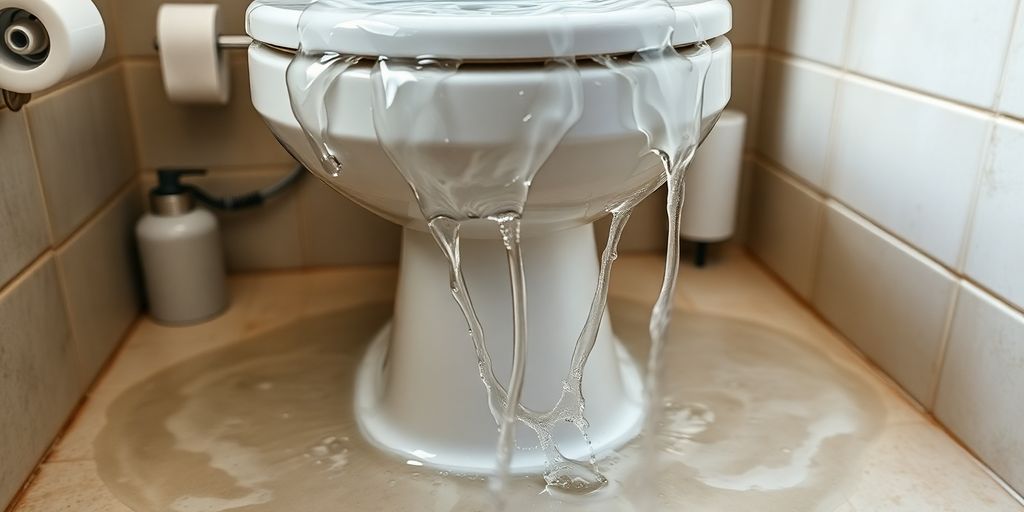
An overflowing toilet is not just an annoyance—it can turn into a real headache if not handled swiftly. Imagine waking up in the middle of the night to find water spilling over the rim, threatening to flood your bathroom. This situation can escalate quickly, causing water damage to floors and even seeping into other areas of your home.
Causes of an Overflowing Toilet
- Clogs: Often, the main culprit is a clog. Whether it's too much toilet paper or something that shouldn't have been flushed, blockages can prevent water from draining properly.
- Faulty Float Mechanism: If the float that controls the water level in the tank is set too high, it can cause the tank to overfill and water to spill over.
- Blocked Vent Pipes: These pipes are supposed to allow air into the plumbing system to help water flow smoothly. If they're blocked, it might lead to an overflow.
Steps to Handle an Overflowing Toilet
- Shut Off the Water: Quickly locate the shut-off valve, usually found behind the toilet near the floor, and turn it off to stop the water flow.
- Use a Plunger: A plunger can often dislodge whatever is causing the blockage. Make sure you have a good seal and plunge vigorously.
- Check the Tank Mechanism: Open the tank and see if the float or flapper needs adjustment.
Preventing Future Overflows
- Regular Maintenance: Keep your toilet in good shape by checking for leaks and ensuring all parts are functioning correctly.
- Mindful Flushing: Avoid flushing anything other than toilet paper and human waste. Non-flushable items can lead to clogs.
- Professional Inspection: Sometimes, a professional maintenance check can help identify issues before they become major problems.
Overflowing toilets can be avoided with a bit of foresight and regular care. Don't wait for a disaster to strike—take action now to keep your bathroom dry.
3. Clogged Sink
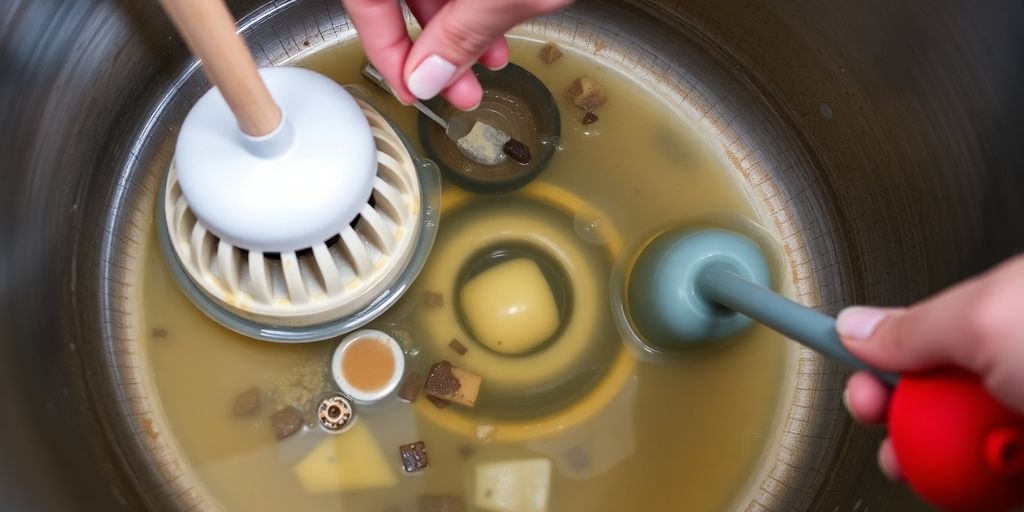
A clogged sink can be a real headache, especially when you're in a rush. It's one of those plumbing issues that seem to happen at the worst times. When water refuses to drain, it can halt your kitchen or bathroom activities, leaving you frustrated.
Causes of a Clogged Sink
- Grease and Oil: These are notorious for solidifying and sticking to the insides of pipes.
- Food Particles: Leftover food can get trapped, especially in kitchen sinks.
- Hair: A common culprit in bathroom sinks, hair can form a tangled mess that blocks water flow.
Quick Fixes
- Plunger: A trusty plunger can often push through minor clogs.
- Drain Snake: For more stubborn blockages, a drain snake can reach deeper into the pipes.
- Avoid Chemical Cleaners: While tempting, they can damage pipes and often aren't effective.
Prevention Tips
- Dispose of grease and oil in the trash, not down the sink.
- Use a drain cover to catch hair and food particles.
- Regularly flush your drains with hot water to clear minor buildups.
Remember, a little maintenance goes a long way in keeping your drains clear and functional. If the problem persists, it might be time to consult a plumber. They can provide a more thorough cleaning and ensure there aren't deeper issues at play.
When to Call a Plumber
If your sink remains clogged despite your best efforts, it might be time to call in a professional. Persistent clogs can indicate a more serious issue further down the line. A plumber can use specialized tools to clear the blockage and inspect for any underlying problems.
4. Leaky Faucet
A leaky faucet might seem like a minor annoyance, but it can lead to significant water waste and higher bills. A single dripping faucet can waste up to 200 gallons of water a month. That's not just bad for the environment; it's also hard on your wallet.
Common Causes
- Worn-out washers: These are the most common culprits. Over time, the constant pressure and friction can wear them down, leading to leaks.
- Corroded valve seat: This connects the faucet to the spout and can corrode over time, especially with hard water.
- Loose parts: Sometimes, a simple tightening of the faucet handle or connections can stop the drip.
How to Fix It
- Turn off the water supply: Before you start, make sure to shut off the water to avoid a mess.
- Disassemble the faucet: Use a wrench to remove the handle and access the washer.
- Replace the washer: Swap out the worn washer with a new one. Make sure it's the right size.
- Reassemble the faucet: Put everything back together and turn the water supply back on.
Prevention Tips
- Regular inspections: Check your faucets periodically for any signs of wear or corrosion.
- Gentle handling: Avoid turning faucet handles too tightly to extend their lifespan.
- Professional check-ups: If you're unsure about the state of your plumbing, a professional inspection can catch issues early.
A leaky faucet is more than just an annoyance—it's a call to action. Ignoring it could mean bigger problems down the line, like water damage or increased utility bills. Taking care of it promptly will save you headaches and money.
5. Sewage Backup
Sewage backups are a nightmare that no homeowner wants to face. When the main sewer line gets blocked, it can cause wastewater to back up into your home through sinks, showers, and toilets. This not only creates a mess but also poses serious health risks due to the bacteria and pathogens present in sewage.
Causes of Sewage Backup
- Tree Roots: Roots can invade sewer lines, causing blockages or even breaking the pipes.
- Clogged Pipes: Items like "flushable" wipes, grease, and large food particles can block pipes.
- Structural Issues: Shifting soil or old pipes can lead to cracks and blockages.
How to Prevent Sewage Backup
- Avoid flushing non-degradable items: Even products labeled as "flushable" can cause issues.
- Regular maintenance: Have a professional inspect your sewer lines every couple of years.
- Avoid pouring grease down the kitchen sink. It can solidify and cause clogs.
What to Do If You Have a Sewage Backup
- Stop using water immediately to prevent more sewage from backing up.
- Call a professional plumber to assess and clear the blockage.
- Clean and disinfect the affected areas thoroughly to prevent health hazards.
"A sewage backup is not just a plumbing issue; it's a health emergency that needs immediate attention."
In conclusion, while a sewage backup is one of the most unpleasant plumbing emergencies, taking preventive measures can help you avoid this messy situation.
Wrapping It Up
Plumbing emergencies can be a real pain, popping up when you least expect them. But with a little know-how and some quick action, you can tackle these issues head-on. Remember, the key is to act fast—turn off the water, try some basic fixes, and don't hesitate to call in the pros when needed. By staying alert and taking preventive steps, you can save yourself a lot of hassle and money down the road. So, keep these tips in mind, and you'll be better prepared for whatever plumbing surprises come your way.
Frequently Asked Questions
What should I do if I have a burst pipe?
First, turn off the main water valve to stop the water flow. Then, call a plumber to fix the pipe and prevent more damage.
How can I prevent my toilet from overflowing?
To stop an overflow, turn off the water supply using the valve behind the toilet. Try using a plunger to clear any blockages.
Why does my sink keep getting clogged?
Sinks often clog due to food scraps, grease, or hair buildup. Use a drain cover to catch debris and avoid pouring grease down the drain.
What causes a faucet to leak?
Leaky faucets are usually caused by worn-out washers or seals. Replacing these parts can often fix the leak.
How do I know if there's a sewage backup?
Signs include bad smells, slow drains, or gurgling sounds in the pipes. If you notice these, call a plumber right away.
Can I fix plumbing problems myself?
You can try simple fixes like using a plunger for clogs. For bigger issues, it's best to call a professional plumber.